

Failure-Aware AI: How Smart Routing Turns Errors Into Opportunities
Artificial Intelligence has moved from research labs into our daily lives, powering customer support, coding assistance, healthcare recommendations, and much more. But there’s one uncomfortable truth: AI doesn’t always perform perfectly.
Sometimes it gives the wrong answer. Sometimes it’s too slow. And sometimes it doesn’t respond at all.
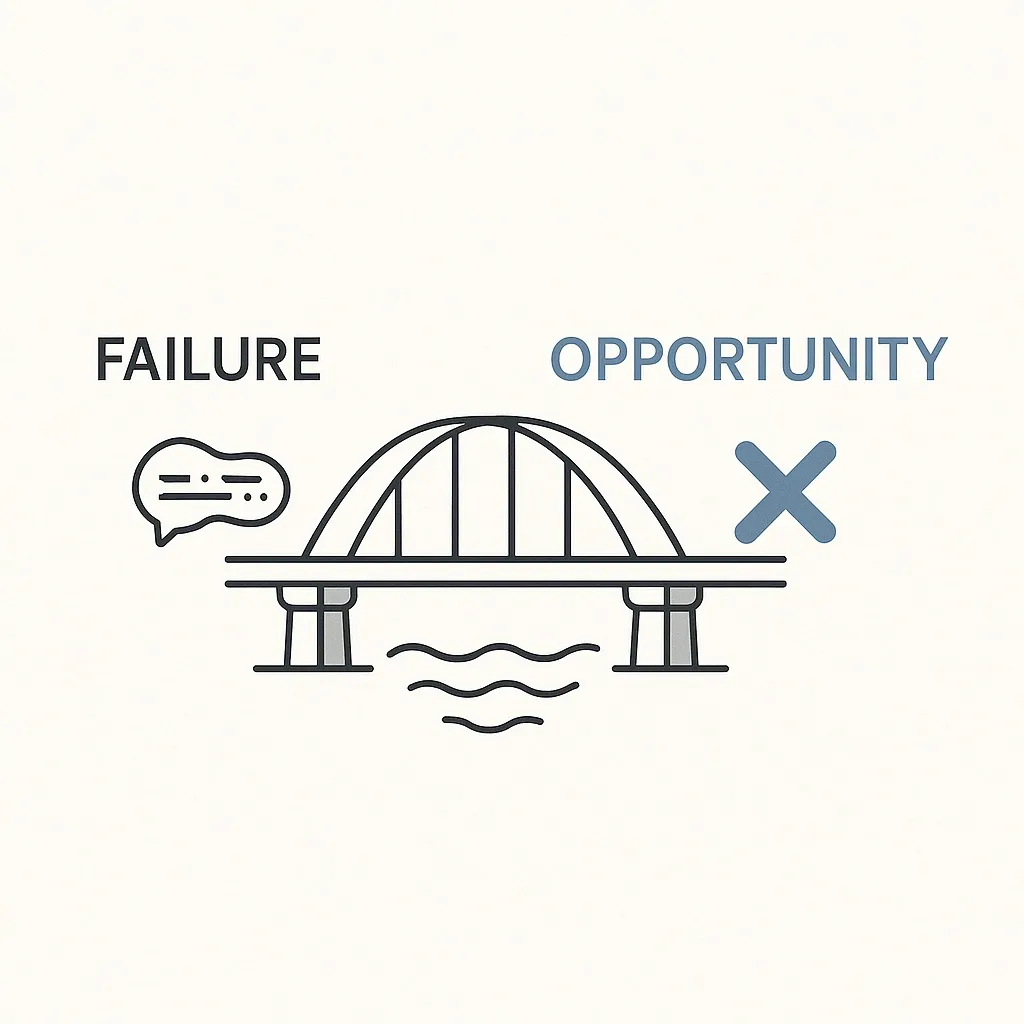
At Kumari AI, we turn failures into opportunities to build stronger, more resilient AI systems. That’s the promise of Failure Aware AI Routing, a core part of our mission.
Not All Failures Are Equal
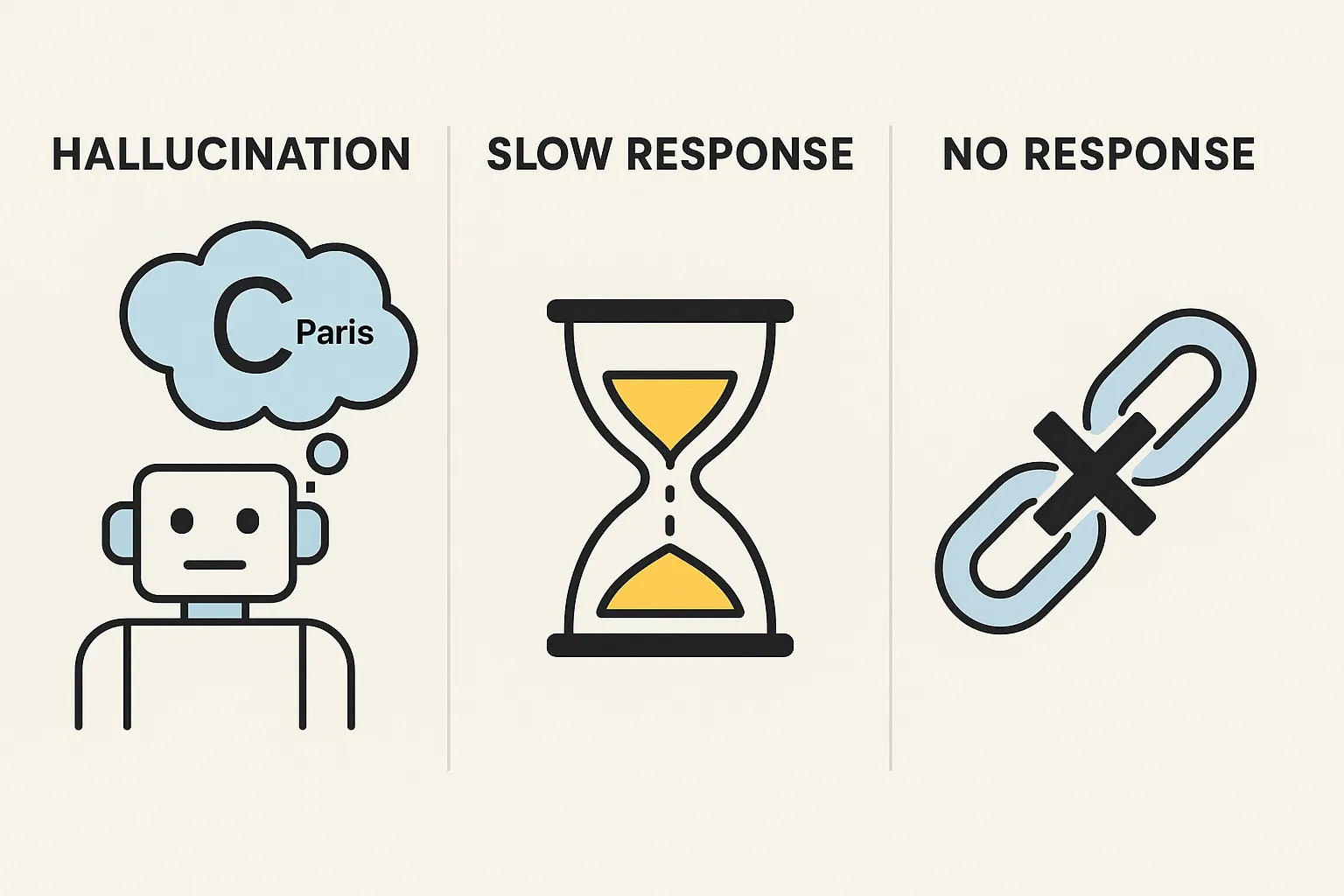
Failures in AI come in different forms. The three most common “failure modes” are:
1. Hallucinations
- The AI generates confident but factually incorrect responses.
Example: A coding assistant invents a non-existent library.
Impact: Misleads users and erodes trust.
2. Slow Responses
- The AI eventually responds, but with unacceptable latency.
Example: Waiting 30+ seconds for a translation when speed is critical.
Impact: Frustrates users, breaks workflows, and limits usability.
3. No Response
- The AI model times out or the service crashes.
Example: API outage during peak usage.
Impact: Leaves the user with nothing, productivity comes to a halt.
👉 Not all failures deserve the same response.
Smart Routing With Failure Awareness
Most AI routing systems today focus on speed, accuracy, and cost. While important, they ignore a crucial dimension: resilience in the face of failure.
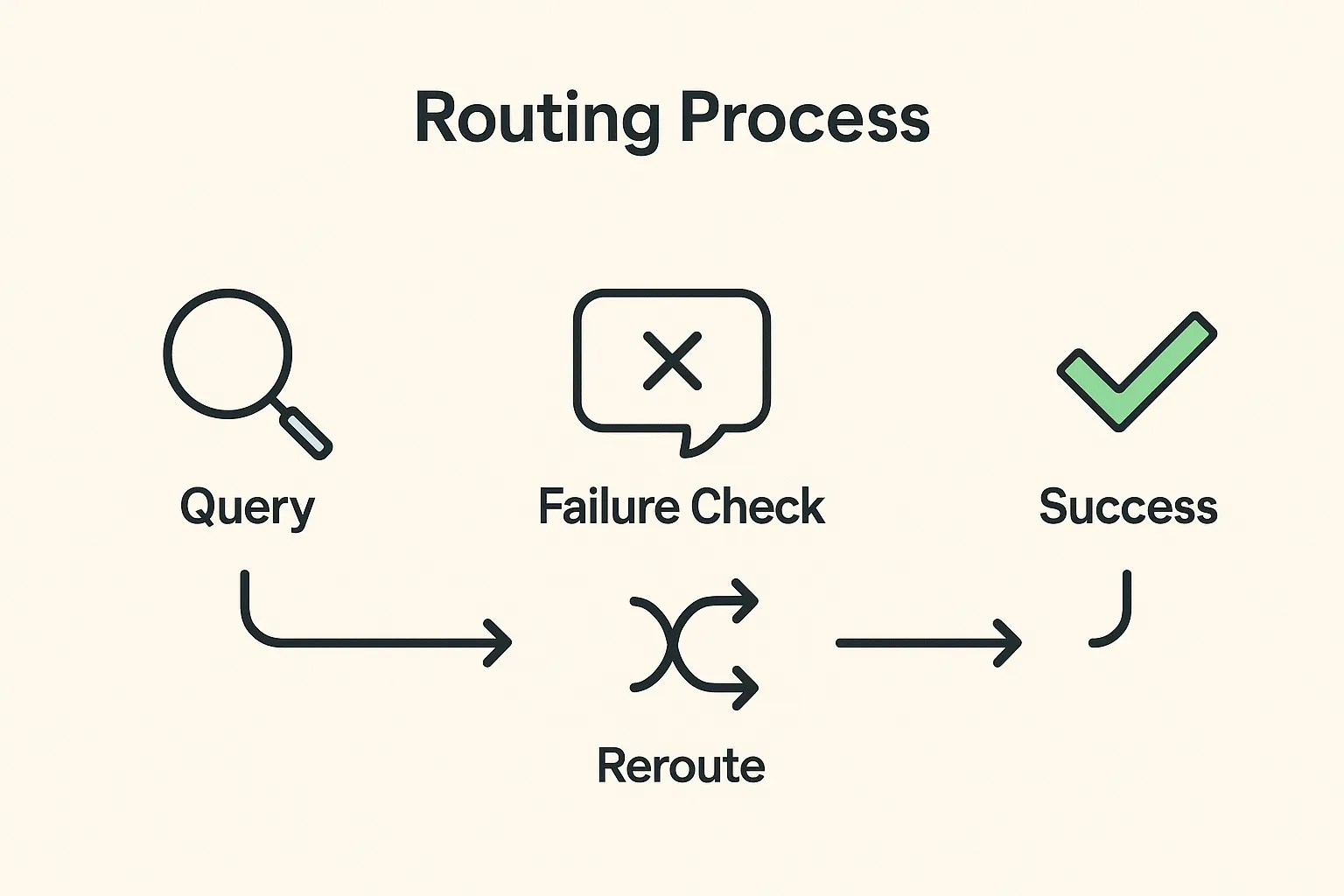
Kumari AI introduces a new paradigm: failure-aware routing.
Key Features
- Hallucination Detection: Routes sensitive queries to conservative models when accuracy is critical.
- Latency Awareness: Redirects queries to faster alternatives if a model lags.
- Fallback on Outages: Instantly reroutes requests to backups, avoiding downtime.
Turning Failures Into Opportunities
Failures, when tracked and analyzed, become powerful learning signals. Kumari AI treats every failure mode as a data point for improvement:
- Pattern Learning: Identifies recurring weaknesses.
- Dynamic Adaptation: Continuously refines failover strategies.
- Trust Building: Guarantees that users always receive an answer, even if the first model stumbles.
Why This Matters for Businesses
Enterprises adopting AI at scale need reliability more than anything:
- Customer Support: Fast and accurate, even during spikes.
- Healthcare & Finance: Routes away from hallucination-prone models.
- Creative Workflows: Ensures continuity when one model struggles with style or output.
Proof Point
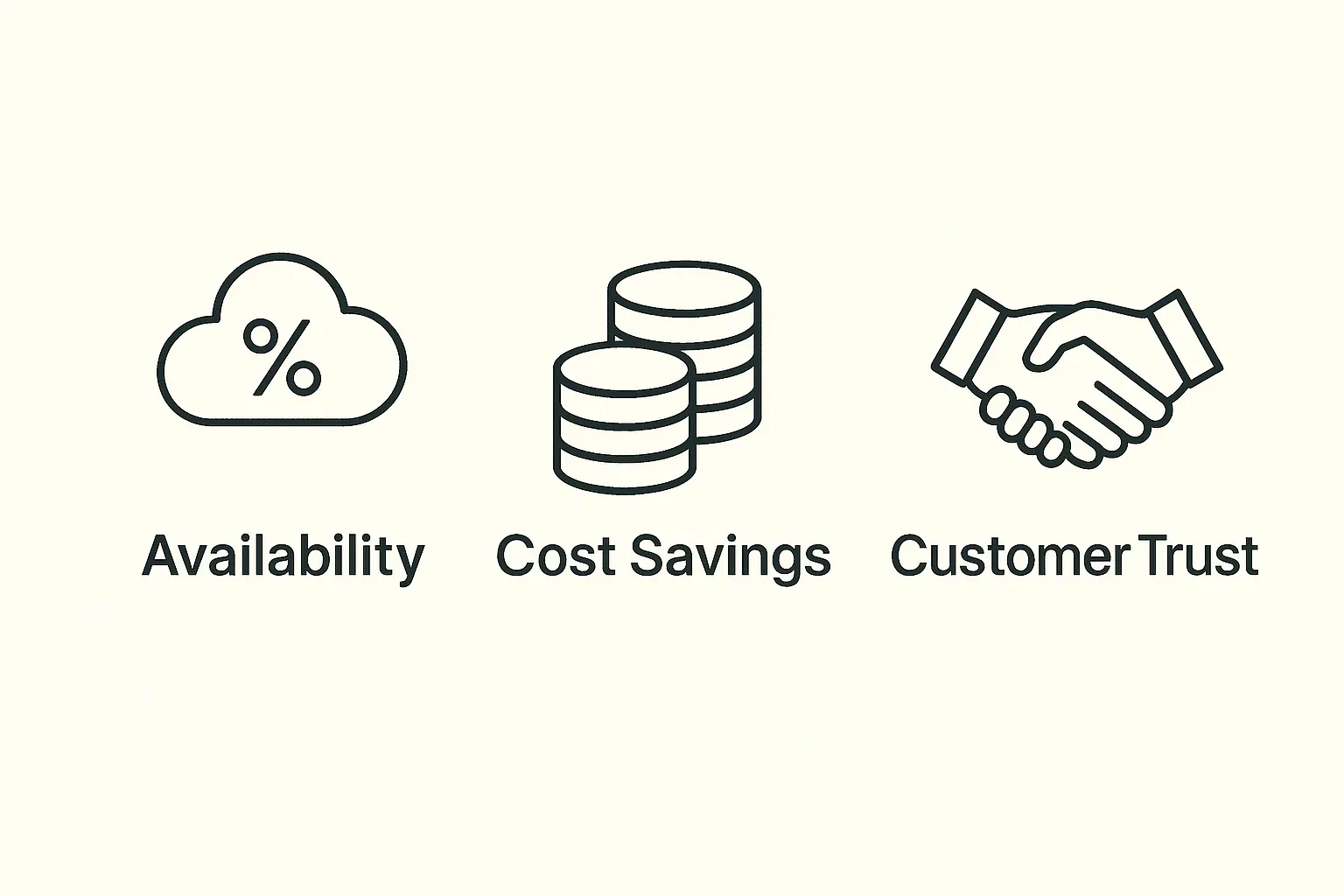
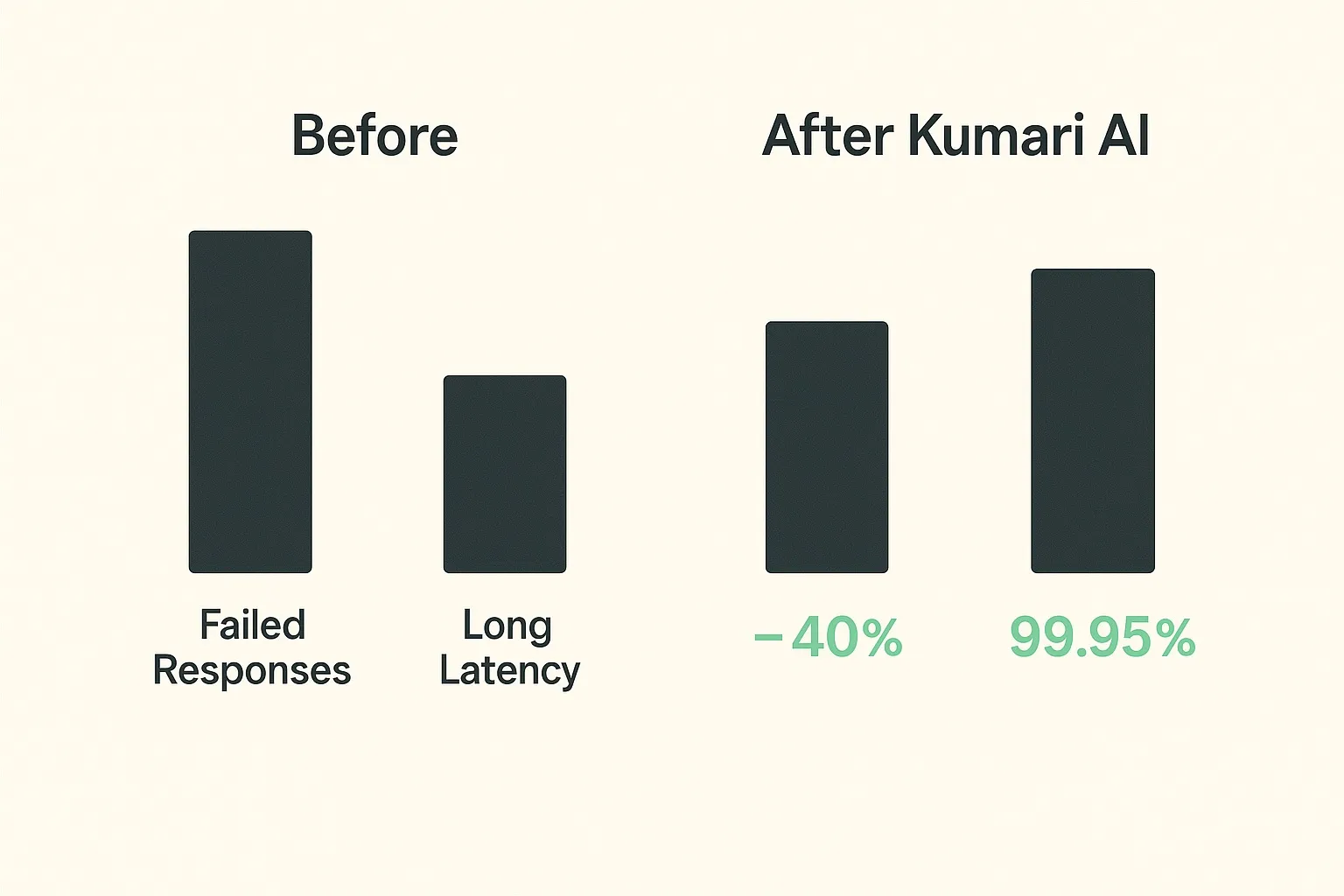
- Failure-aware routing cut failed responses by 40% in a pilot project.
- Average response latency reduced by 28%.
- Multi-provider redundancy achieved 99.95% uptime.
Thought Leadership: Resilience as the Next AI Standard
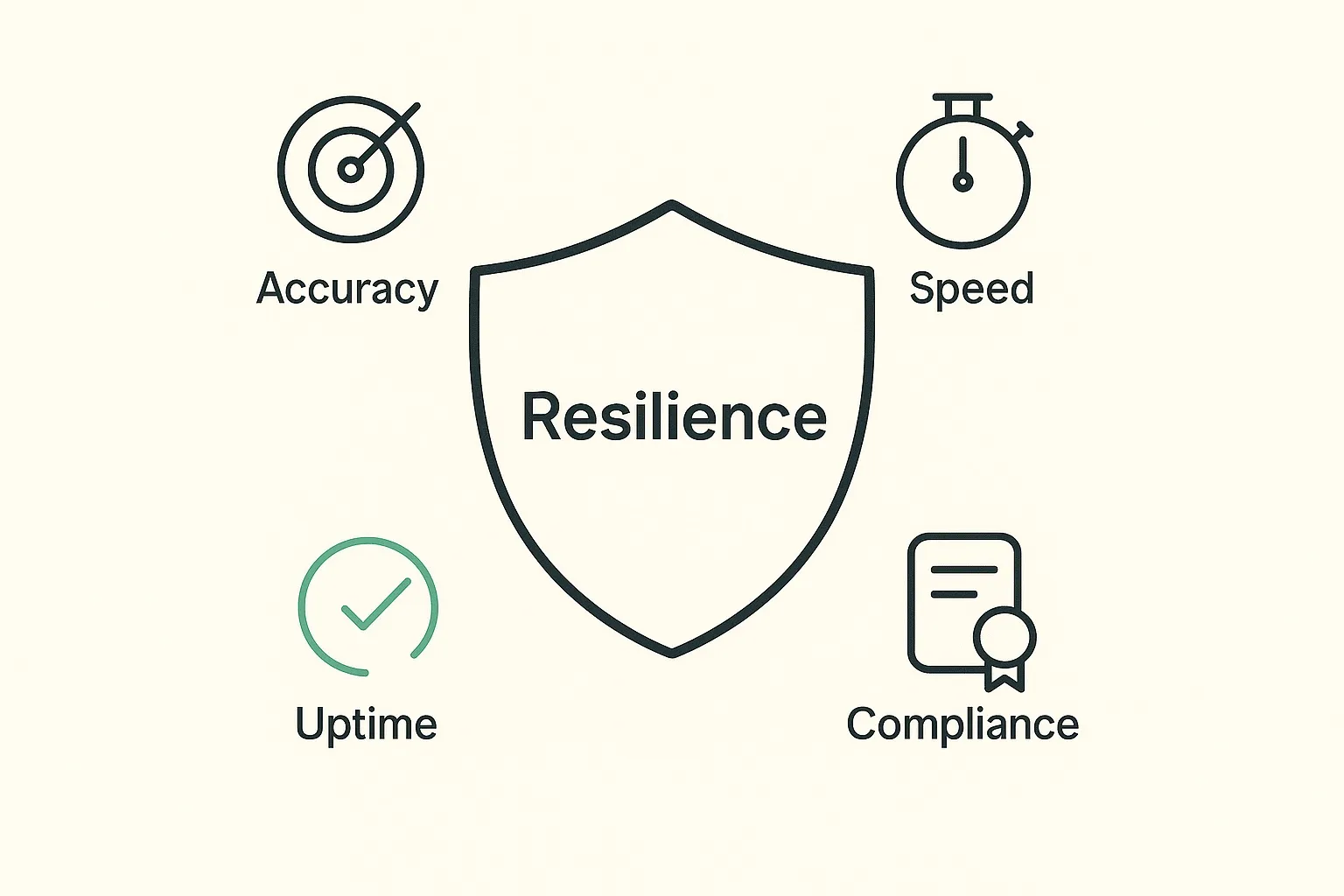
Speed, cost, and raw accuracy dominate the AI discussion—but resilience is the next frontier.
Kumari AI believes:
- Systems should adapt and recover, not just be fast.
- Resilience will become a baseline expectation, just like cybersecurity.
The Future of Resilient AI
Next-generation AI users will ask:
- Can I trust this AI not to mislead me?
- Will it still work if one provider goes down?
- Can it adapt if the task changes mid-way?
Failure-aware routing ensures the answer is yes.
Key Takeaways
- AI failures are inevitable but not all failures are equal (hallucinations, latency, outages).
- Failure-aware routing detects, redirects, and learns from failures in real time.
- Resilience > raw performance; businesses need AI that adapts and recovers.
- Enterprises benefit: higher uptime, reduced costs, stronger trust, better compliance.
- Resilience will become the next AI standard, just as cybersecurity did.
Failure-aware AI doesn’t just prevent errors it turns them into opportunities for smarter, safer, and more reliable AI.